
Kailash Mansarovar Yatra from India: routes, permits and fitness
Plan the Kailash Mansarovar Yatra: the MEA route via Lipulekh or Nathu La, the Nepal route via Kathmandu, Chinese permits, fitness, best months and costs.
By the Agrima Holidays Team · Updated October 2026 · 3 min read
About the yatra
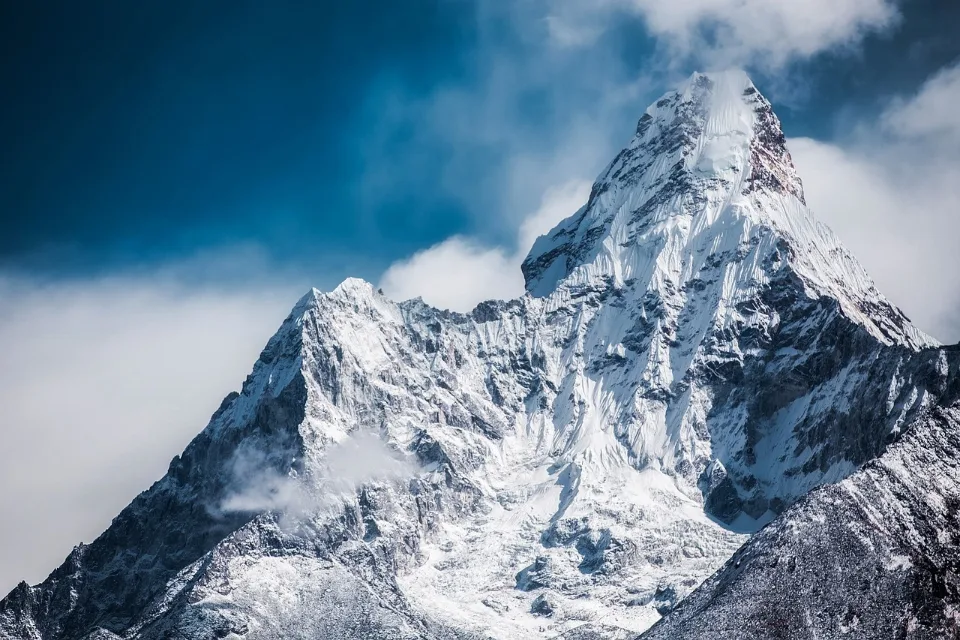
Mount Kailash in western Tibet is sacred to Hindus, Buddhists, Jains and followers of Bon. Lake Mansarovar lies at its foot at about 4,590 m. Pilgrims bathe in the lake, offer prayers and walk the parikrama around the mountain, a three-day trek of about 52 km that crosses the Dolma La pass at about 5,630 m. The yatra is one of the hardest pilgrimages Indians undertake, and planning starts months ahead.
Two ways to go
- The Ministry of External Affairs (MEA) yatra: run by the Government of India each summer through the Lipulekh pass in Uttarakhand or the Nathu La pass in Sikkim. Pilgrims apply online, a computerised draw selects batches, and fitness tests in Delhi decide who goes
- The Nepal route: private tour operators run batches from Kathmandu, by road through the Kerung or Hilsa border, or by helicopter to Simikot and Hilsa. Permits come through Chinese authorities via the operator
The MEA yatra resumed in 2025 after a five-year pause. Check the current year’s notice on kmy.gov.in before you plan. Rules checked in October 2026.
Documents and permits
- An Indian passport valid for at least six months
- A Chinese group visa, arranged by the MEA or the tour operator. Individual visas are not issued for Tibet
- The Tibet Travel Permit and other area permits, arranged with the visa
- Medical certificates and the fitness tests required by the MEA or the operator
Tibet closes to foreign groups at short notice for political events, so keep flexible dates and insurance.
Fitness and altitude
The yatra demands real fitness. Walk 5 to 8 km daily for two months before you go, with stairs or hills. Have a full medical check, including ECG and blood pressure. People with uncontrolled heart disease, blood pressure, diabetes or asthma should not attempt the parikrama.
Acute mountain sickness affects almost everyone above 4,000 m. The best protection is slow ascent and rest days, which good itineraries build in. Drink three to four litres of water a day. Report headache, vomiting or breathlessness at once. Ponies and porters carry many pilgrims over Dolma La.
The Nepal road route
A typical road batch from Kathmandu takes 12 to 14 days:
- Fly to Kathmandu, two nights for permits and briefing
- Drive to the Kerung border, cross into Tibet
- Acclimatise in Kerung and Saga
- Reach Mansarovar, with puja and a night by the lake
- Darchen, the base town, then three days of parikrama
- Return the same way
The helicopter route through Simikot and Hilsa saves road time but depends on weather and costs more.
When to go
The yatra season runs from late May to September. June and July bring the most stable weather. The full moon of Shravan, Guru Purnima in July and the Saga Dawa festival in May or June draw the largest crowds.
What to pack
- Down jacket, thermal layers, fleece, waterproof shell and trousers
- Trekking shoes already broken in, and warm socks
- Woollen cap, gloves, sunglasses and high-SPF sunscreen
- Personal medicines, ORS and a small first-aid kit
- Dry fruits, energy bars and a refillable bottle
- Cash in US dollars and Chinese yuan for porters and ponies
What the yatra costs
The MEA route costs roughly ₹1.75 lakh to ₹2.75 lakh per person depending on the pass, as published in the year’s notice. Private Nepal batches by road usually cost more, and helicopter batches more again. We share current rates and departure dates on request.
How we help
We do not run our own Tibet batches. We book flights to Kathmandu or Delhi, hotels before and after the yatra, and travel insurance, and we connect you with established licensed operators in Kathmandu. Send us your preferred month and we reply within 24 hours on working days.