
Nag Tibba: a two-day winter trek from Delhi
Plan the Nag Tibba weekend trek: getting there from Delhi, the trail from Pantwari, camping in snow, difficulty, what to pack and the best months.
By the Agrima Holidays Team · Updated November 2026 · 3 min read
India Winter Travel Report 2026–27
Snow odds, January temperatures, roads and passes, festivals, treks and sample itineraries from November to March.
About Nag Tibba
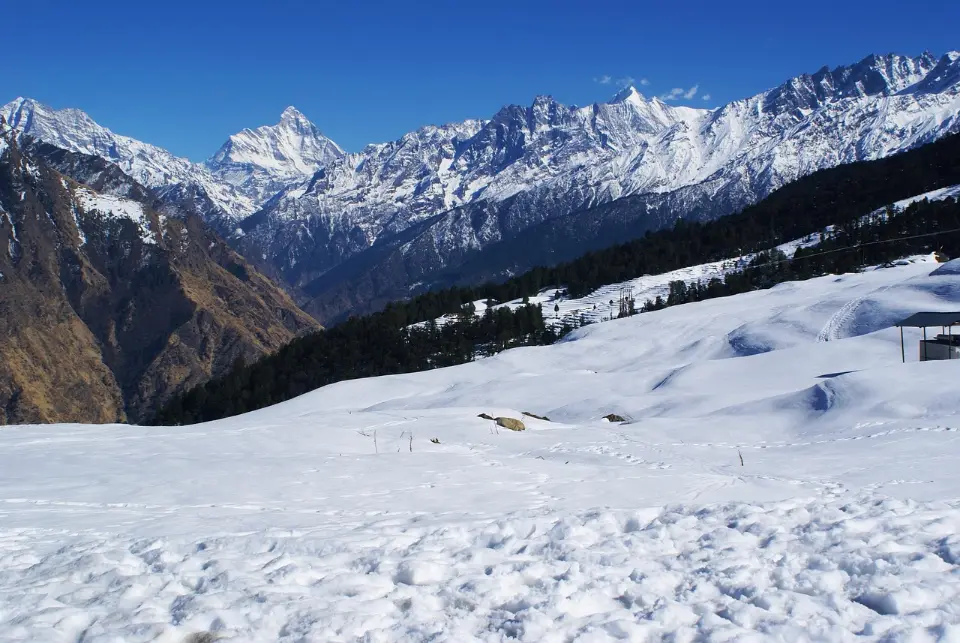
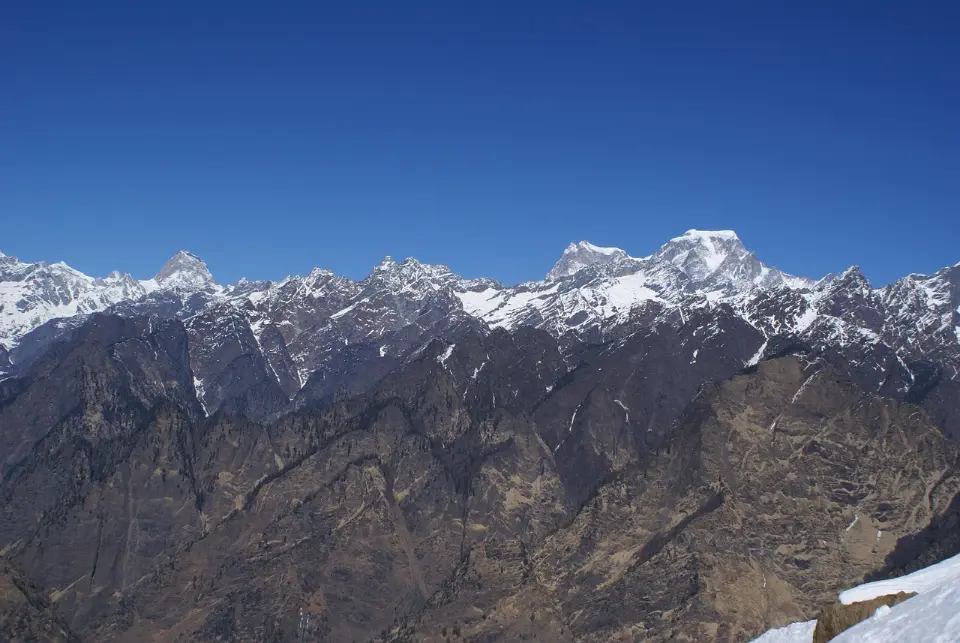
Nag Tibba is the highest peak in the lower Garhwal range, at about 3,000 m. From the top you see Bandarpunch, Kedarkantha and the Gangotri peaks. Snow covers the upper trail from late December to February.
Getting there
Leave Delhi on Friday night. Dehradun to Pantwari takes about 3 hours by road via Mussoorie. Start walking on Saturday morning.
Take an overnight bus or the morning Shatabdi to Dehradun, then a car to Pantwari through Mussoorie and Kempty. Leave Delhi on Friday night, trek Saturday and Sunday, and be back by Monday morning.
The trek
Day 1: Pantwari to the camp below the summit, about 5 to 6 hours. Day 2: summit at dawn, then down to Pantwari and the drive back. You reach Delhi late on Sunday night.
Difficulty
Easy for anyone who walks regularly. The climb is steady, and snow near the top makes the last hour slow.
Packing
Trekking shoes, microspikes in January, thermals, a down jacket, a headlamp and a warm cap.
Camping in snow
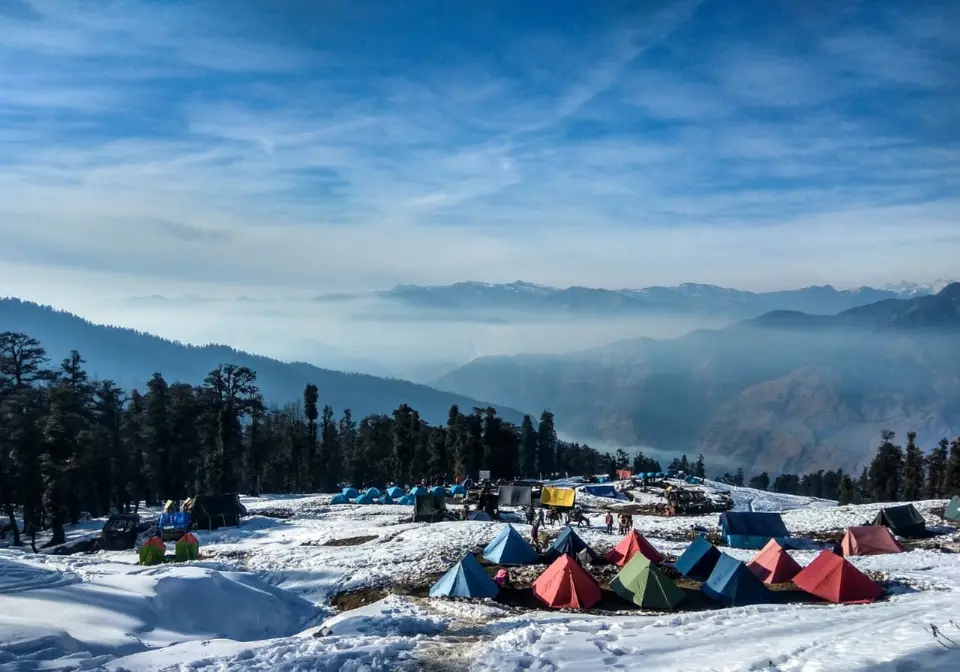
Camp sits below the summit in an oak and rhododendron forest. Nights fall to −5°C in January. Operators supply tents, sleeping bags and mats. Sleep in thermals and a cap, and keep tomorrow’s socks inside your sleeping bag.
Food
Hot dal, rice, roti, maggi and tea. Carry dry fruits and chocolate for the summit morning.
What to pack
Trekking shoes, microspikes in January, two thermal sets, a fleece, a down jacket, gloves, a cap, a head torch, sunscreen and a water bottle.
After the trek
Stop in Mussoorie for a meal and a walk on the Mall on the way back to Dehradun.
Safety
Start the summit walk with a guide. Turn back if snow is deep and the trail unclear. Keep warm layers dry.
Why Nag Tibba
Nag Tibba, at about 3,020 metres, is the highest point in the Nag Tibba range of the lower Garhwal Himalaya. It is one of the few snow treks that you can do over a weekend from Delhi. From the top, you see Bandarpunch, Swargarohini, the Kedarnath peaks and the Gangotri group on a clear day.
Route
Most groups start from Pantwari village, about three hours from Dehradun. Day one climbs through oak and rhododendron forest to the Nag Tibba base camp. Day two goes to the summit in the early morning and returns to Pantwari. Total walking is about 16 kilometres.
When the snow falls
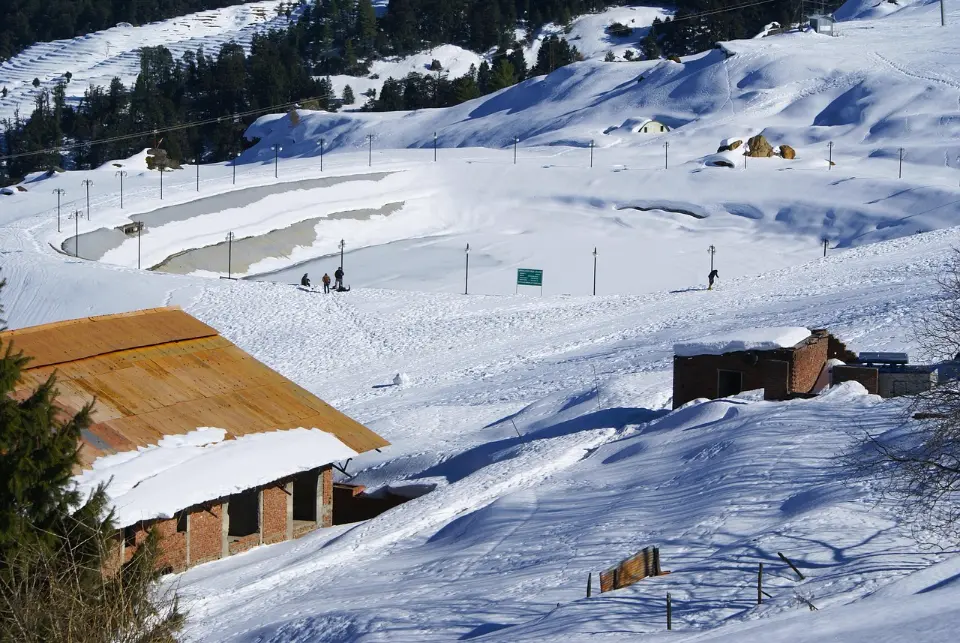
Snow usually reaches the base camp from late December. January and February bring the most snow, though some years are dry. March thaws the lower slopes but keeps snow near the summit.
Camping and rules
Forest camping needs a permit, which registered operators arrange. Carry back all waste. Do not light fires in the forest. Camp only at the marked sites.
Fitness
Nag Tibba is an easy to moderate trek. You should be able to walk for six hours with short breaks. Two weeks of brisk walking and stair climbs help.
Gear
Wear trekking shoes with a good grip, thermal innerwear, a down jacket, waterproof gloves and a warm cap. Carry a headlamp for the early summit start.
A weekend plan
- Friday night: overnight bus or car from Delhi to Dehradun
- Saturday: drive to Pantwari, about three hours, then trek to the base camp
- Sunday: summit at sunrise, trek back to Pantwari and drive to Dehradun
- Sunday night: bus or train back to Delhi
If you have three days, camp a second night on the ridge and walk down on Monday. It is gentler on the legs and gives you a second sunrise.
Plan with us
We book Nag Tibba with licensed local operators, with transfers from Delhi. Prices on request.
Questions
Is Nag Tibba good for beginners?
Yes. The climb is steady and the trek takes two days.
Does Nag Tibba have snow?
Snow covers the upper trail from late December to February.
How far is Nag Tibba from Delhi?
About 8 to 9 hours by road to Pantwari.
Is there snow every year?
Most years from late December to February, though some winters are dry.