
Staying healthy in the cold: hypothermia, frostbite and altitude
How to stay well on a winter trip in the mountains: signs of hypothermia and frostbite, cold and altitude together, room heaters, hydration, and when to see a doctor.
By the Agrima Holidays Team · Updated November 2026 · 3 min read
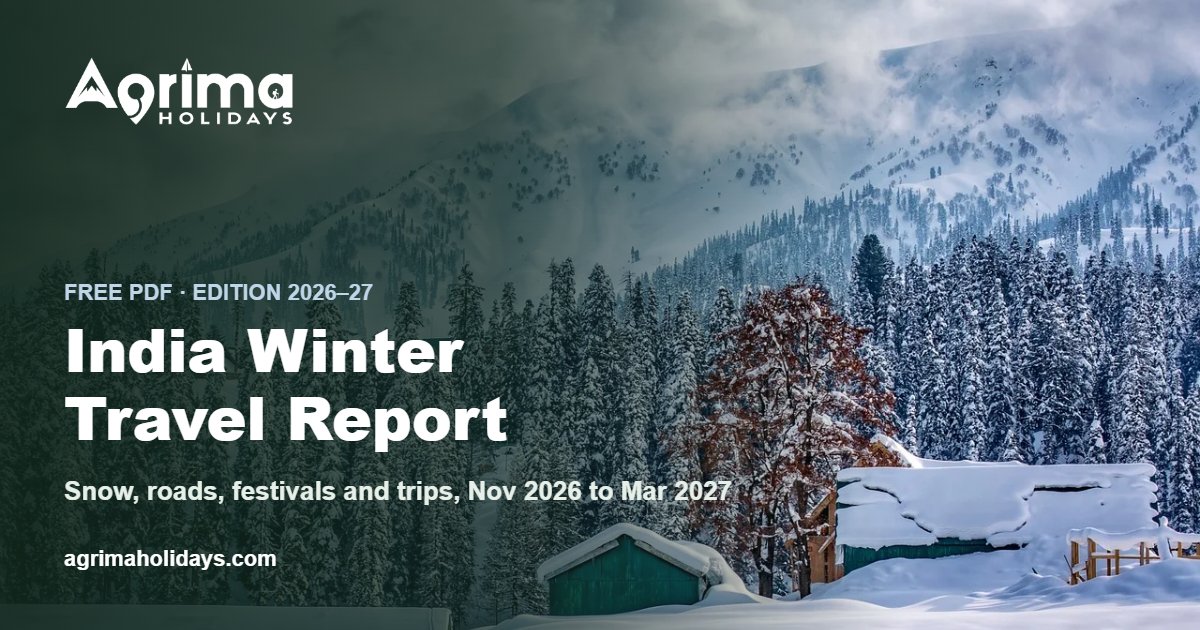
India Winter Travel Report 2026–27
Snow odds, January temperatures, roads and passes, festivals, treks and sample itineraries from November to March.
Hypothermia
Body temperature drops when you stay cold and wet. Early signs: shivering, clumsy hands, slurred speech. Get the person indoors, replace wet clothes, give warm sweet drinks and wrap them in blankets.
Frostbite
Fingers, toes, ears and noses go white or grey and numb. Warm them slowly against the body or in lukewarm water. Do not rub with snow. See a doctor for blisters or skin that stays hard.
Cold and altitude
Above 3,000 m, cold makes altitude sickness worse. Rest on arrival, drink plenty of water and climb slowly. Read our altitude sickness guide.
Room heaters
Never sleep with a coal or wood heater burning in a closed room. Carbon monoxide kills without warning. Electric heaters and heated mattresses are safe. Keep a window open a crack.
Daily habits
- Drink 3 litres of water a day. You lose fluid in cold, dry air
- Eat regular hot meals
- Avoid alcohol in the evening at altitude
- Protect eyes and skin from snow glare
Who should check with a doctor
People with heart or lung conditions, high blood pressure, pregnant women and older travellers should check with a doctor before going above 3,000 m in winter.
Altitude sickness signs
Headache, nausea, poor sleep and breathlessness at rest. Rest, drink water and do not go higher. Go down if symptoms worsen, or if you see confusion or breathlessness at rest.
Children and elderly travellers
Children and older travellers chill faster and often do not say so. Check hands and feet often, keep them fed and warm, and keep trips above 3,500 m short or skip them.
Staying warm through the day
Eat a proper breakfast before you go out. The body makes heat from food. Drink warm fluids often, as dehydration happens fast in cold dry air. Change out of wet socks and gloves straight away. Take breaks inside a warm cafe or car every hour or two when you are in the snow.
Early signs of trouble
Shivering that will not stop, clumsy hands, slurred speech or confusion can be signs of hypothermia. Numb, white or waxy skin on fingers, toes, nose or ears can be frostnip. Get the person indoors, remove wet clothes, wrap them in dry layers and give warm sweet drinks. Do not rub frozen skin. Seek a doctor.
Heaters and fumes
Never sleep with a coal brazier, a gas heater or a kerosene stove burning in a closed room. These release carbon monoxide, which has no smell and can kill. Electric heaters are safer, but keep them away from bedding and clothes. If a hotel offers a bukhari, ask for it to be put out before you sleep.
Who should check first
People with heart disease, high blood pressure, asthma, COPD, diabetes or who are pregnant should see a doctor before a trip above 2,500 metres or to very cold places. Carry your medicines in your hand luggage, as checked bags can be delayed.
Hospitals in the hills
Main towns such as Shimla, Manali, Srinagar, Leh, Gangtok and Dehradun have district hospitals. Smaller places may have only a health centre. Note the nearest hospital before you go, and buy travel insurance that covers evacuation.
Eat well
Eat warm, filling food and drink plenty of water. Avoid too much alcohol, as it lowers body heat.
Altitude and cold together
At height, the air is thin and dry, so you lose heat and water faster. Climb slowly, rest on the first day and drink three to four litres of water a day. Headache, nausea and poor sleep can be signs of altitude sickness. If they get worse, go down.
Questions
How do I avoid altitude sickness?
Climb slowly, rest on arrival, drink water and avoid alcohol.
Are room heaters safe?
Electric heaters are safe. Never sleep with a coal or wood heater burning in a closed room.
What are signs of frostbite?
White or grey, numb skin on fingers, toes, ears or nose.
Can I use a coal heater in my room?
Never sleep with a coal or gas heater in a closed room. Use electric heaters.
When should I see a doctor?
If shivering does not stop, skin turns white or numb, or altitude symptoms get worse.